
Avoid Home Buyer's Remorse by Working with an Experienced Real Estate Agent
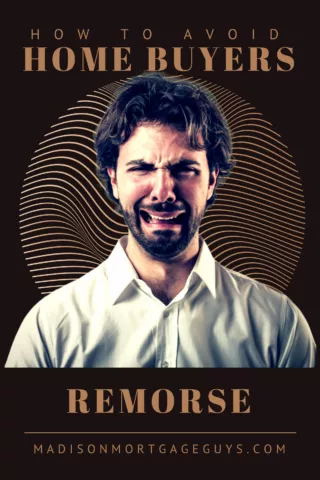
The excitement of buying something you really want can almost be intoxicating. Though when you finally have the item you wanted to buy, it might not be all that you hoped for. Perhaps it doesn’t do exactly what you thought it would, or it isn’t as high a quality as expected. It is easy to have doubts and regrets about the purchase choices you make.
While buyer’s remorse isn’t fun, it is something you can easily brush off most of the time. However, when it comes to buying a home, buyer’s remorse can be more troubling. Your home purchase may well be your biggest expense ever, and it isn’t as if you can just exchange it for another house.
You could have purchased a larger home, or you may see another house on the market that looks better than yours. Whatever the cause, buyer’s remorse is something you’ll want to avoid after homebuying.
Homebuyer’s Remorse is More Common Than You Think
More than four in 10 homeowners have at least one regret about their home purchase. Millennial home buyers seem slightly more affected by this, according to surveys.
Top regrets include:
- Hidden costs and unexpected maintenance expenses
- Purchasing a home that’s too small
- Purchasing a home that’s too big
- Choosing a bad location
- Paying too much for the home
- Not securing the best mortgage rate
- Not being able to afford their monthly mortgage payment
Avoiding Homebuyer Remorse
Fortunately, there are many things you can do to minimize your chances of suffering buyer’s remorse. To prevent buyer’s remorse, consider what could trigger this in your particular situation.
If you find yourself having to make a difficult decision, your choice could lead to regret. Perhaps you’re choosing between a larger house or a more modest property. You may decide to push your finances to the maximum or opt for something well within your budget. Any of these situations, and more, can trigger buyer’s remorse later on.
If you are clear about what you want from a home, and you are financially prepared for the purchase, being remorseful over the decision is less likely. Let’s look at some of the steps you should take to avoid regretting your purchase.
Prepare Your Finances
Unexpected expenses are one of the biggest causes of remorse after a home purchase, so to counter this, make sure you have the money saved ahead of closing. You will need to be ready to pay the closing costs, moving expenses, and have some money left over for those unexpected situations.
While it won’t be easy, having a savings account specifically for unexpected maintenance costs can help you deal with these expenses when they arise. Pay a small amount of your income each month into the account, and don’t touch it except to pay maintenance bills.
Staying on Budget
When you are preapproved for a home loan, the lender will look at your income and expenses and tell you how much they will lend. If you are a first-time buyer, it could mean that you have less disposable cash each month after you’ve paid the mortgage.
If your monthly mortgage payments will be a greater expense than you are used to, you may need to trim your budget elsewhere. Can you reduce the number of paid subscriptions and other monthly costs? If you can, you will have more breathing space and disposable cash each month.
While you might value these expenses, are they really essential? Eliminating unnecessary costs will reduce the chances that you will feel like you have spent too much when buying the home.
What Do You Need From Your Home? List of Wants and Needs
So that you are clearer about the home you are buying, create a wishlist. What do you need your home to have, and what things would you like but aren’t essential?
Perhaps you need the house to have a minimum number of bedrooms, or be in a particular area. While you might prefer a certain layout or a three-car garage, these aren’t essential. Focus on the things that you need to have, and if you get some of the things you would like to have, that’s a bonus.
If you remember this list while house hunting, there’s less chance of regret later.
Don’t Give in to Your Emotions: Take Your Time
Emotions can play a larger role in your home-buying choices than you imagine. If you have had a difficult time with other buyers beating you to a home you love, it’s easier to make mistakes that you will regret. There will be a temptation to make an offer that isn’t right for you, just to avoid that happening again.
This can also lead to offering too much for a home or waiving contingencies that could be costly later. Contingencies are included in purchase agreements to benefit buyers. Removing them can speed up the process, but it isn’t without potential cost to the buyer.
The fear of missing out on the property can lead you to make bad decisions that you can come to regret.
The Importance of the Home Inspection
Even if the home is fairly new, the inspection shouldn’t be missed. There may be pressure to speed up the purchasing process, but not having a home inspector look over the home could lead to problems later on. You could discover that the house has numerous maintenance issues that you were unaware of because you skipped the home inspection.
If you want to avoid unexpected maintenance costs, the inspection is vital. In some situations, such as a bidding war, there may not be enough time available. In those situations, having the funds to cover unexpected costs is your best option.
Don’t Use Your Full Budget
While you might have the ability to spend more on your home, using all of these available funds could lead to regrets. Set a budget for your purchase, inform your Realtor, and make sure you stick to it.
Avoid the temptation to look at homes outside of your price range. When you search, set the filters to avoid homes above your price range. While it can be fun to look at more expensive properties, this could create buyer’s remorse with the home you eventually buy.
Risky Repairs
A fixer-upper can reduce your initial expenses when purchasing a home and help you get more for your money. However, a house like this could create regrets.
Though this type of purchase can allow you to create your dream home, the costs of remodeling and repairs could break your budget. Building materials are expensive, and it is very easy for a project to run over budget and face delays. Despite the advantages, this type of home might end up feeling like a mistake.
Viewing the Home
In the past, this wouldn’t have been an issue, but now you can view a home virtually and buy without having visited. However, while you can do this, you shouldn’t.
While it is convenient to use a virtual tour to explore the home, it isn’t a good enough substitute for actually being there. You aren’t going to smell mildew through an app or really experience what living there will feel like. There will be things you don’t realize about the house if you don’t visit, and these things could be a big deal when you live in the home.
As good as these tours can be, inevitably, you will miss things that could make you regret your choice later.
Do Some Research
If you don’t know the area well, do some research before making an offer. Check the crime statistics and visit the area at different times of the day. That way, you can see how busy it is and whether it’s an area you really want to live in.
You can also talk to neighbors to find out what the area’s really like. You may even learn some interesting things about the house you want to buy that could affect your decision.
Be Wary of Flipped Homes
Look out for indications that the home has been flipped by an investor. While this doesn’t necessarily create problems, it could lead to greater maintenance costs. Whether the flipped home becomes a cause for regret depends on the quality of workmanship and the experience and ethics of the investor.
You can find out if the home has been flipped by checking the selling history of the property. If the current owner purchased the house relatively recently, it could be a sign that they bought a run-down property to flip for a profit.
Avoiding Buyer’s Remorse After Moving In
While you might have carefully considered your choices before buying, the regrets can still creep in once you’re living in the home.
Feeling Like You’ve Overpaid
Even if the price seemed good when you closed, you can have regrets later. Perhaps your situation has changed, and your income is lower.
Whatever the cause, it’s important to remember that home values gradually increase. Even if you purchased near the top of the market, the value will eventually return and surpass the level you bought at.
Extra Sources of Income
If the affordability of your home becomes an issue, increasing your income is an option.
Consider getting a roommate, as long as this is allowed in your property. If you don’t know them in advance, you will need to ensure they won’t cause you more trouble. Get references and check their income sources.
Starting a side gig from home or a freelance job can also help with the affordability of your monthly payments. As long as your employer doesn’t prevent this, and you have some free time to spare, this could prevent you from feeling like you’ve overspent.
Making a House Feel Like a Home
To reduce any feelings of regret, make some changes so that the house feels like your home. Paint some walls, add some artwork, and buy some new furnishings to bring your personality to the living space. These changes don’t have to be expensive; you just need to make the home feel more like it belongs to you.
When the house feels more like your home, you are less likely to regret your purchase choice.
Getting Back to Your Routine
Moving home shakes up your routine, and this creates stress. Try going back to your usual routine so that things return to normal. Start doing things you love again, and generally return to your usual living habits. Doing this should help you feel more settled. Feeling settled in the home should reduce any feelings of regret you might have.
You can use your new home to entertain guests and better accommodate your hobbies. If you enjoy doing more things in the new space, you should overcome those negative feelings more easily.
Consider Refinancing Your Home Loan
If you bought at a time when interest rates were higher, you don’t need to regret that choice too much. If the interest rates have dropped, you can refinance.
If you’ve lived in the home for a few years and built up equity, you could consider refinancing options if interest rates are more favorable. Lower interest rates mean you will save thousands of dollars on the cost of your home loan and make your monthly payments more affordable.
Before you refinance, you need to ensure your finances are good. If you haven’t been paying bills on time or you’ve taken out new loans, your credit score will have been negatively affected. New loans will also mean your debt-to-income ratio isn’t as good, making it more difficult to refinance with better terms.
Professional Help
If the above tips don’t help, and you can’t shake the feeling, you can always talk to a therapist. Home buying can be difficult and stressful, and sometimes these feelings can become overwhelming. If you find yourself in that situation, it’s best to deal with these feelings rather than let them overly affect your life.
Summing Up: How to Avoid Home Buyers Remorse When Buying a House: Mortgage Advice
When you decide to buy a home, you are committing your finances and your future to that property. With this level of commitment, it is not surprising that buyers feel remorseful, worrying they’ve made the wrong decision.
As we’ve shown, however, there are steps you can take to avoid these negative feelings and help you make a better home-buying decision.
About the author: This article was written by Luke Skar of MadisonMortgageGuys.com. As the Social Media Strategist, his role is to provide original content for all of their social media profiles as well as generate new leads from his website.
We provide award-winning customer service to clients who need to purchase a home or refinance an existing mortgage.







Leave a Reply